Projects
These artifacts demonstrate how I have learned how to think as a consultant and systems analyst, identifying crucial business needs and translating them into technical solutions. This includes bridging operational gaps, optimizing workflows, and aligning IT solutions with strategic goals.
Pets4Life Systems Analysis and Development
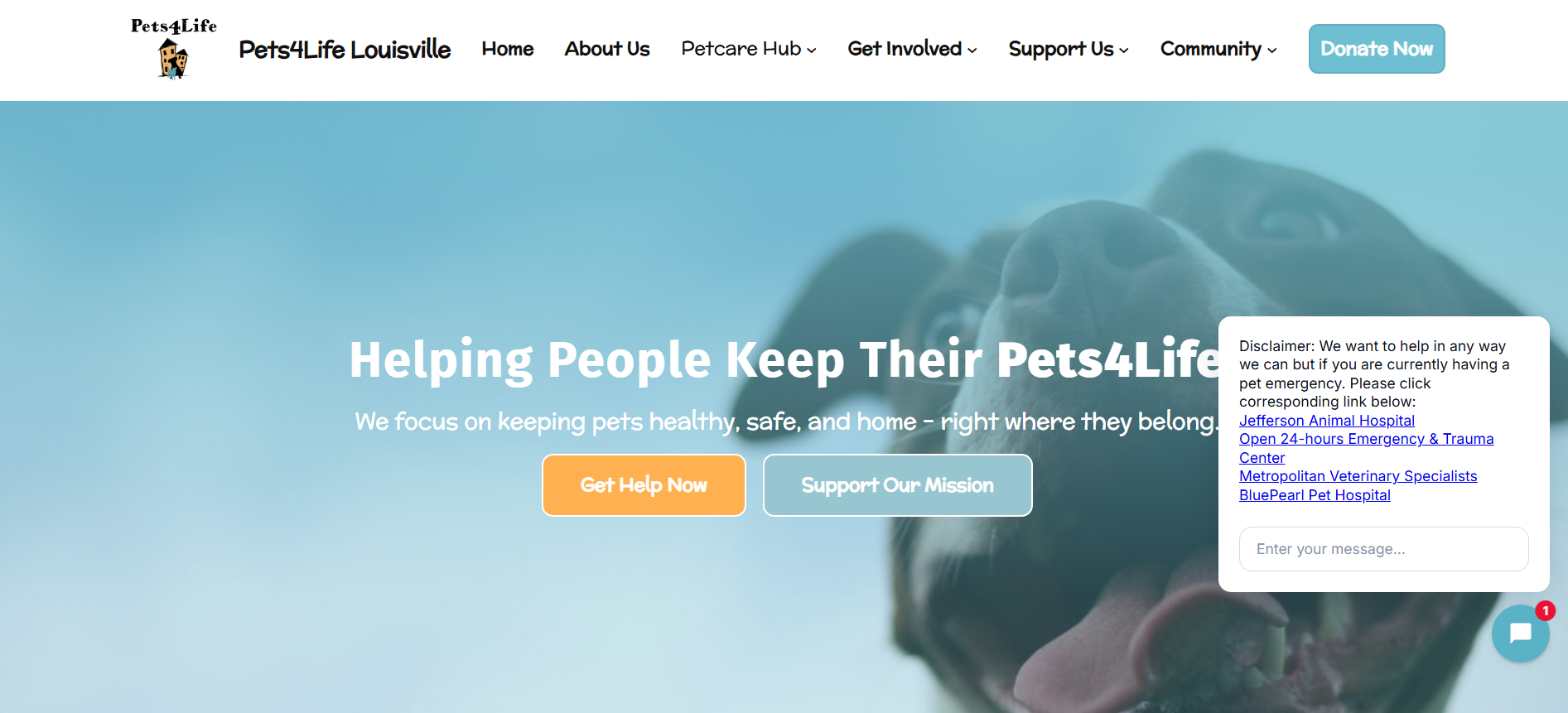
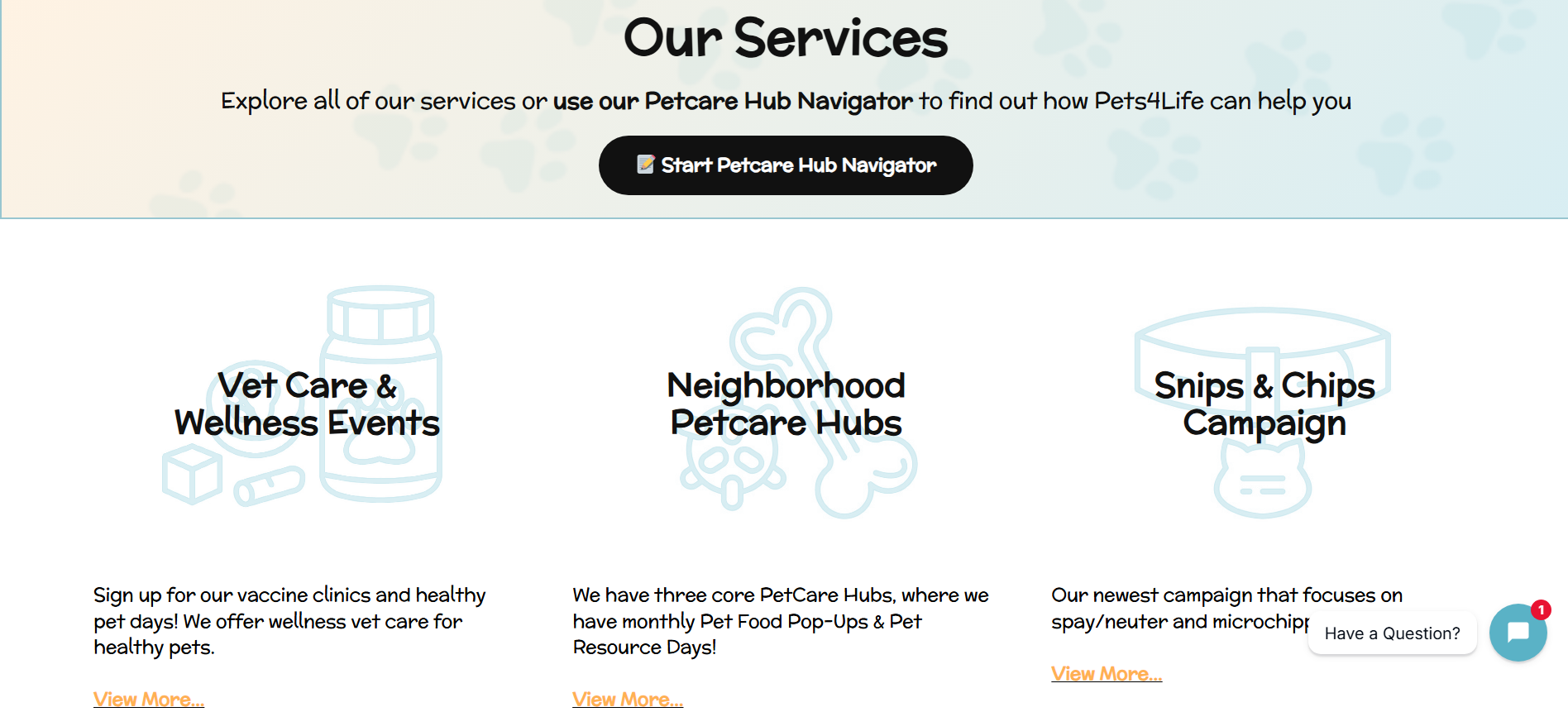
Serving as project manager, my team completed a full systems analysis and development lifecycle across two academic terms for a local nonprofit, Pets4Life Louisville, and my group's website was selected as the final production site. We built it on WordPress, integrating Amelia for scheduling, PlanHero for volunteer coordination, Tidio with Lyro AI for automated chat support, and Stripe for secure payments. Our analysis found that scheduling complexity and limited digital presence were the organization's biggest barriers — both directly addressed through our solution.
Subway's Facial Recognition Case Analysis
Conducted a strategic case analysis of Subway's decision on whether to implement facial recognition in its Grab & Go smart fridges during a fragile brand turnaround. The analysis applied Porter's Five Forces, SWOT, stakeholder impact, and ethical frameworks to evaluate three alternatives. The final recommendation was enhanced non-biometric AI as it was the only solution that strengthens competitive position without introducing the regulatory, reputational, and ethical risks facial recognition carries.
Cyber Breach at Target Case Analysis
Conducted a strategic case analysis of Target's 2013 cyber breach, examining how stolen third-party vendor credentials led to the compromise of 110 million customer records during the peak holiday season. The analysis applied Porter's Five Forces, SWOT, PEST, stakeholder impact, and organizational structure frameworks to evaluate three alternatives. The final recommendation was a comprehensive cybersecurity overhaul as it was the only solution that pairs detection tools with accountable leadership, segments network architecture, enforces vendor compliance standards, and establishes transparent communication protocols to rebuild the customer trust central to Target's differentiation strategy.
Hirevue: Ethical Impact Analysis
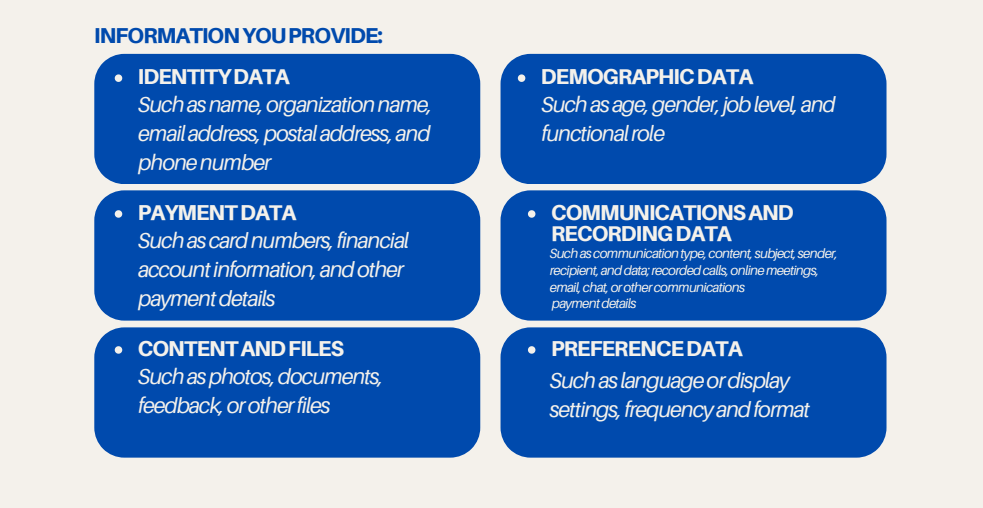
Conducted an ethical impact assessment of HireVue, an AI-powered video interviewing platform used by companies like Amazon, JPMorgan Chase, and Hilton to screen job candidates. The analysis examined three core ethical concerns: algorithmic bias stemming from historical training data, the black box nature of HireVue's scoring algorithm, and privacy and data security risks involving sensitive biometric data. I applied deontological, teleological, and virtue ethics frameworks. The assessment concluded with five actionable recommendations, including mandating human oversight, requiring algorithmic transparency, and establishing bias audits with diverse data requirements.
These artifacts represent hands-on activities where I demonstrated how I used various coding languages to solve a problem. By bridging technical expertise with business impact, I can develop strategically valuable solutions that tackle real-world problems.
RAG Document Retrieval AI Agent
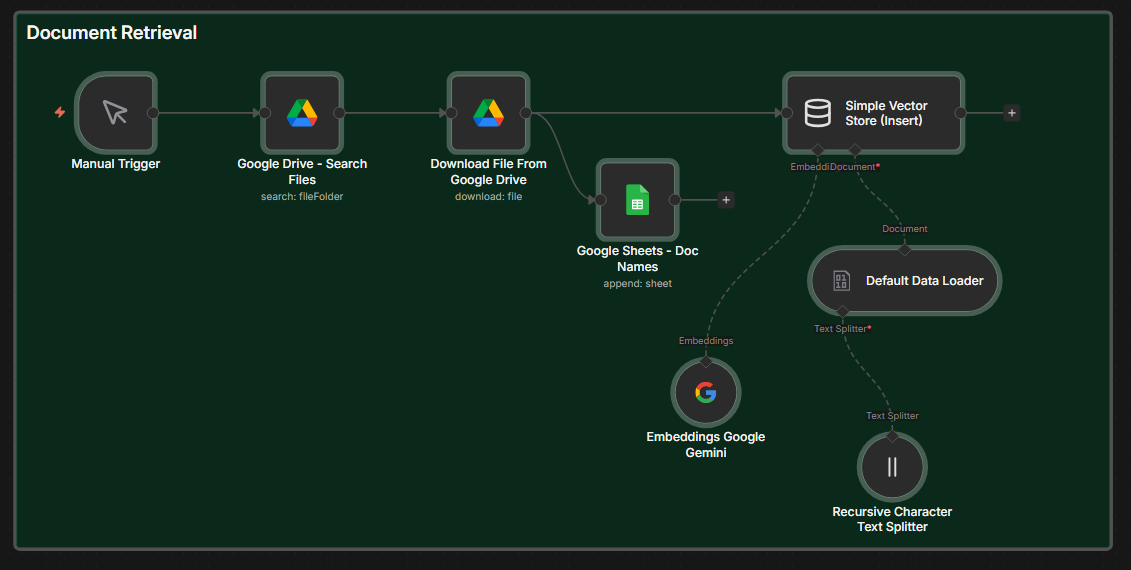
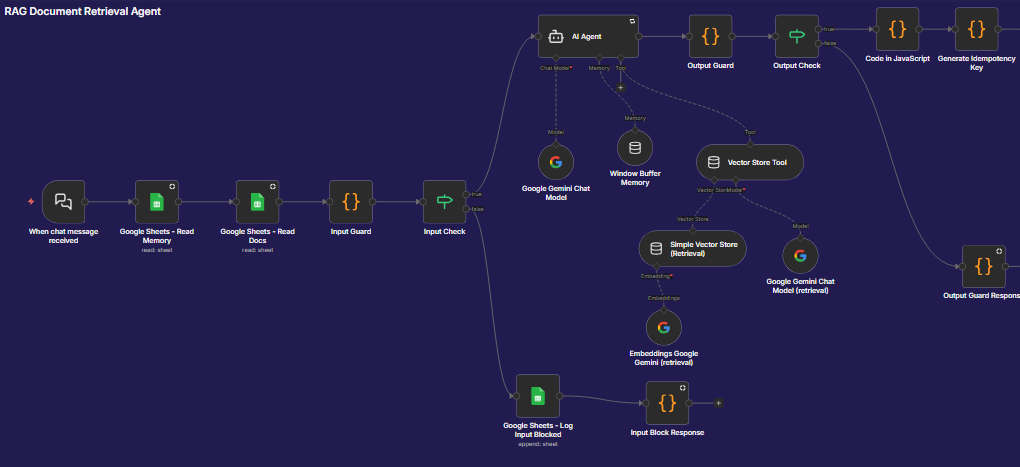
Designed and deployed a multi-tool RAG (Retrieval-Augmented Generation) AI agent, built on a Docker stack using n8n with a vector store for semantic search, episodic memory via Google Sheets, and input/output guardrails for safety. The agent lets users ask a natural-language question and receive an accurate, source-attributed answer with document name and confidence level, reducing retrieval time by 50% compared to manual search.
Credit Card Payment Form
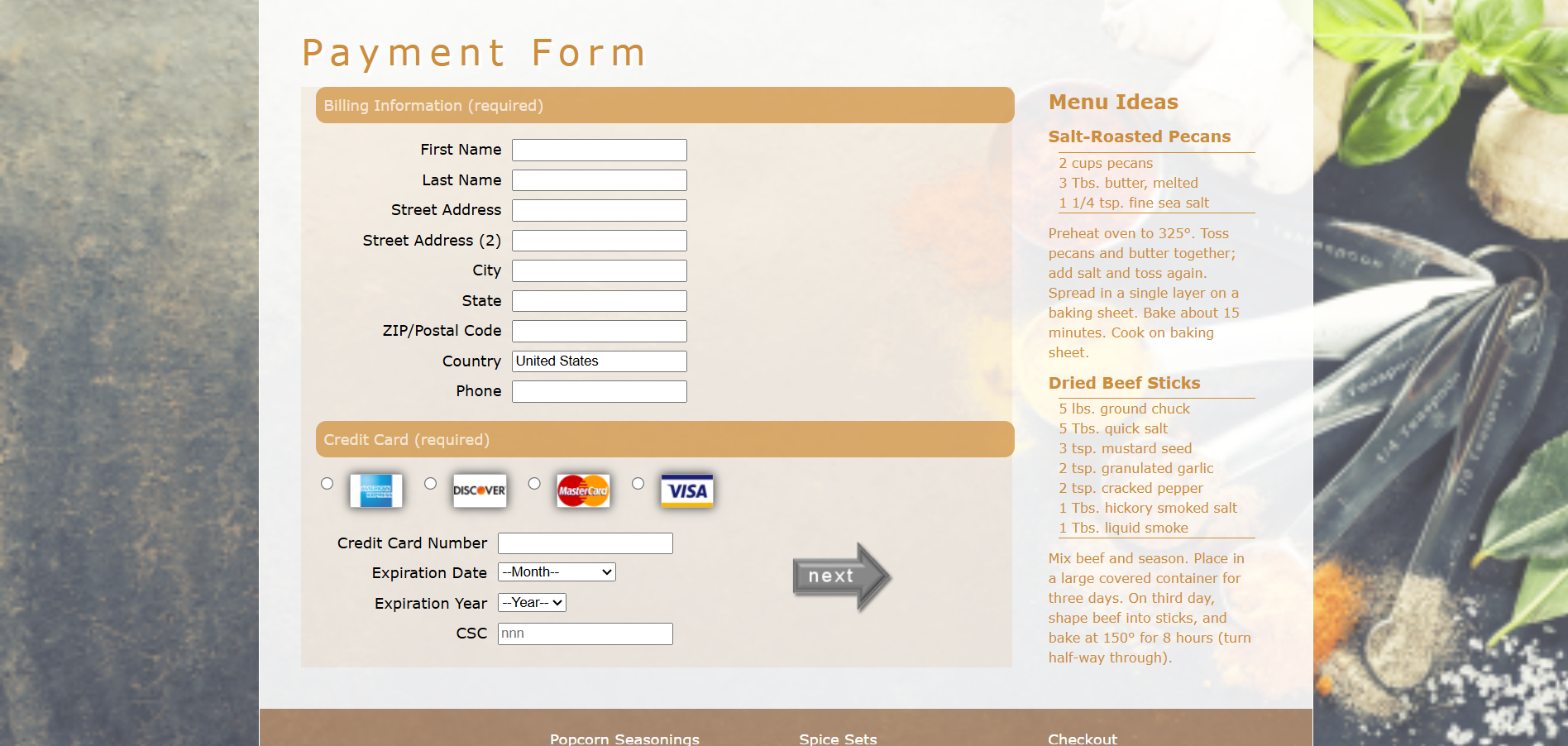
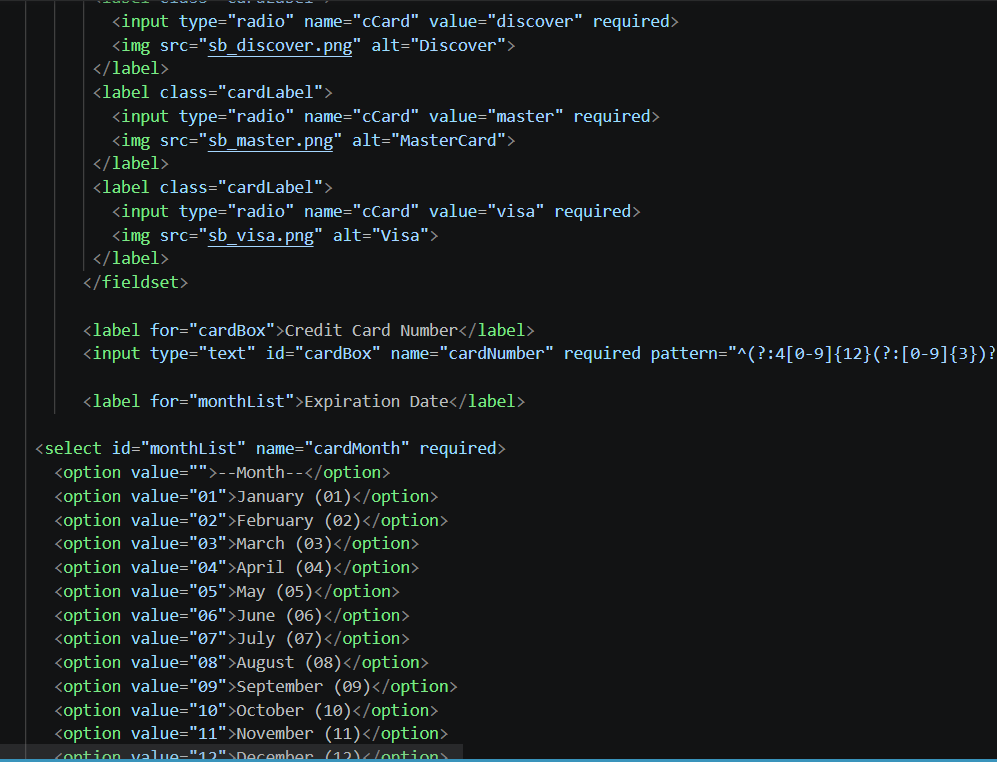
Implemented a credit card payment form using HTML. The site includes a secure checkout flow with a multi-step payment form collecting billing information and credit card details. Uses Regex patterns for ZIP codes (5-digit and ZIP+4), phone numbers (multiple formats), and credit card numbers (validated against VISA, MasterCard, Amex, and Discover formats). A simple interface streamlines the checkout process for users.
User Account Login Form
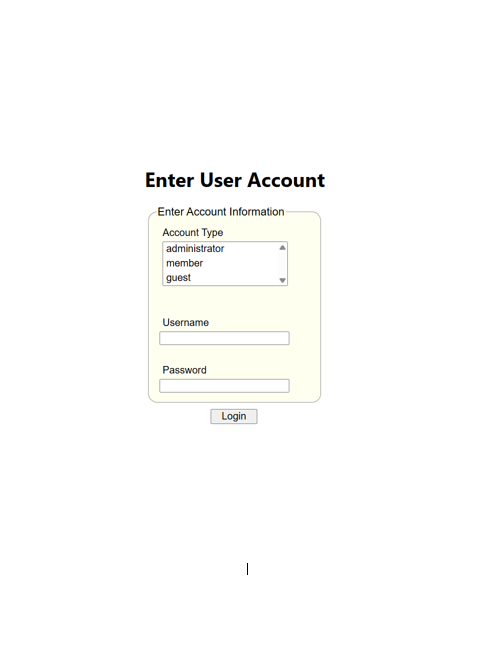
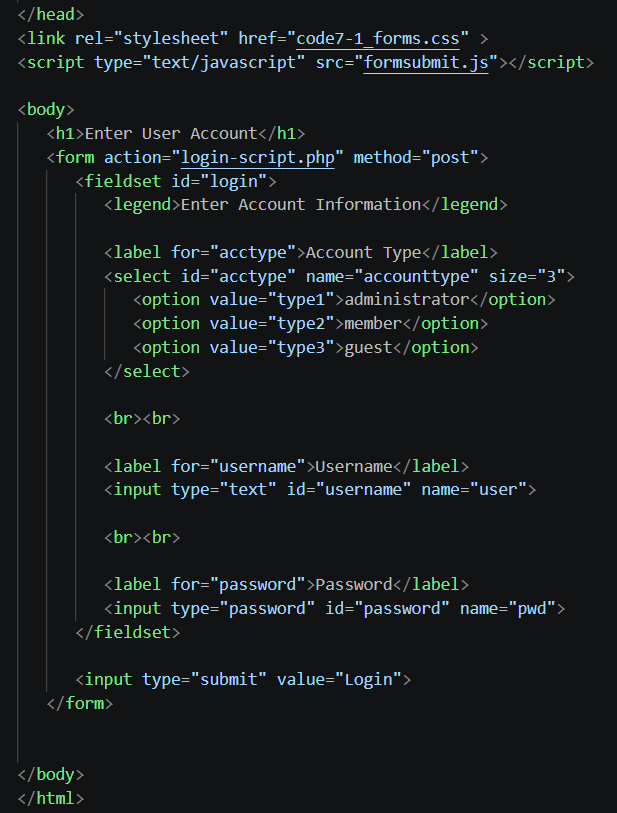
Created a user account login form using HTML. The form includes fields for username and password, with client-side validation to ensure both fields are filled out before submission. The design focuses on simplicity and usability, providing a straightforward interface for users to access their accounts securely.
Clock Countdown
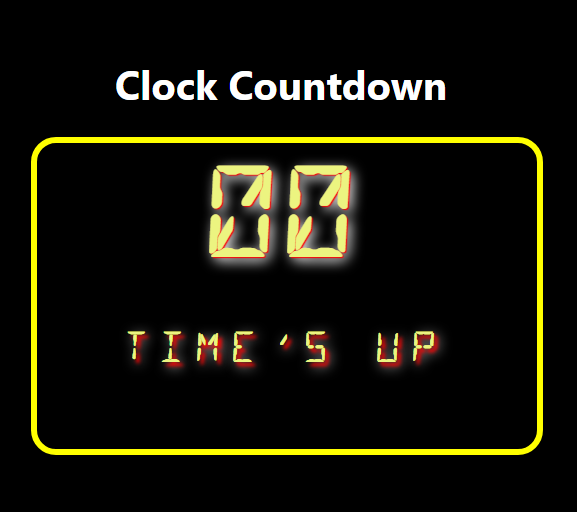
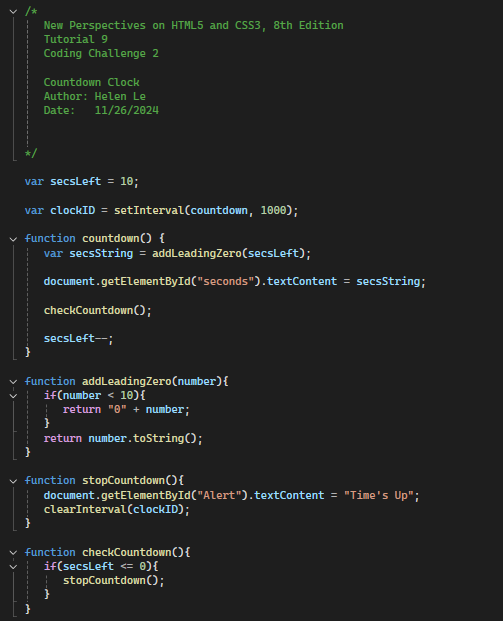
Created a functional clock countdown application using JavaScript and Visual Studio 2022. The application allows users to have a countdown from ten to zero, providing a simple yet effective way to track time.
Catering Contract Calculator
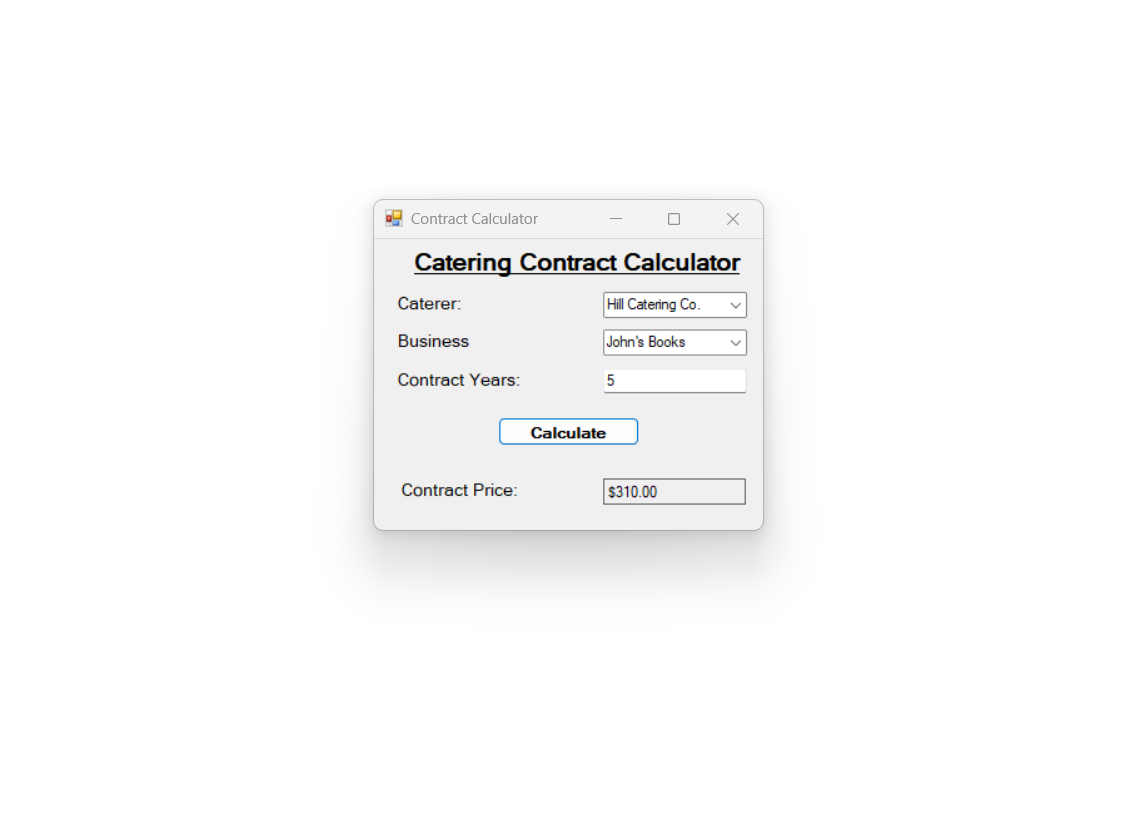
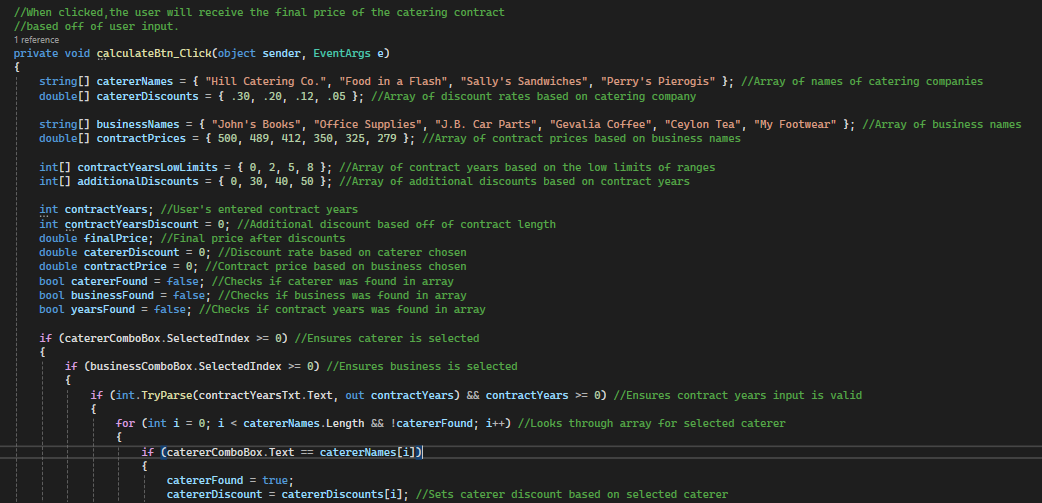
Created a Catering Contract Calculator using C# and Visual Studio 2022. The application allows users to input catering details and calculates the total cost based on various factors such as number of guests, menu options, and service level. The design focuses on usability and accuracy, ensuring that users can quickly and easily determine the cost of their catering needs.
These projects demonstrate my ability to analyze complex datasets and transform raw data into meaningful insights that support data-driven decision-making. Using tools such as Python, Weka, MATLAB, and Power BI, I applied statistical analysis, data visualization, and machine learning techniques to uncover patterns, build predictive models, and evaluate outcomes. This work reflects my ability to bridge analytical thinking with practical business applications, enabling organizations to identify trends, improve performance, and make informed strategic decisions.
NFL Dashboard: Offense vs Defense
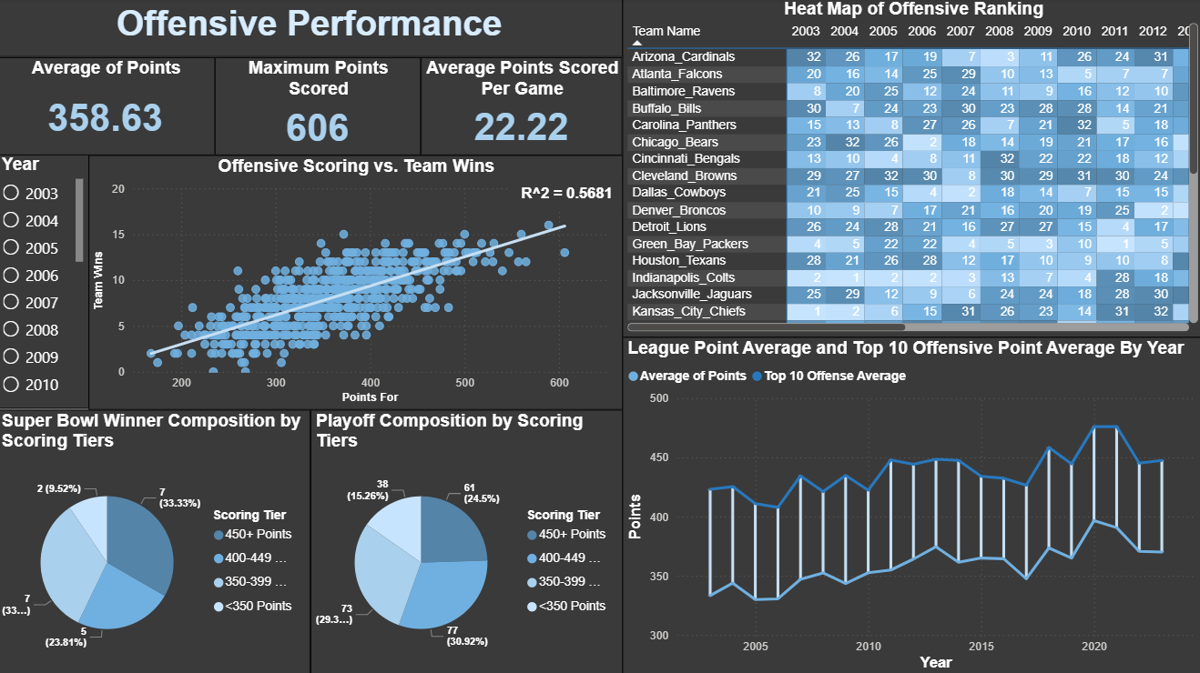
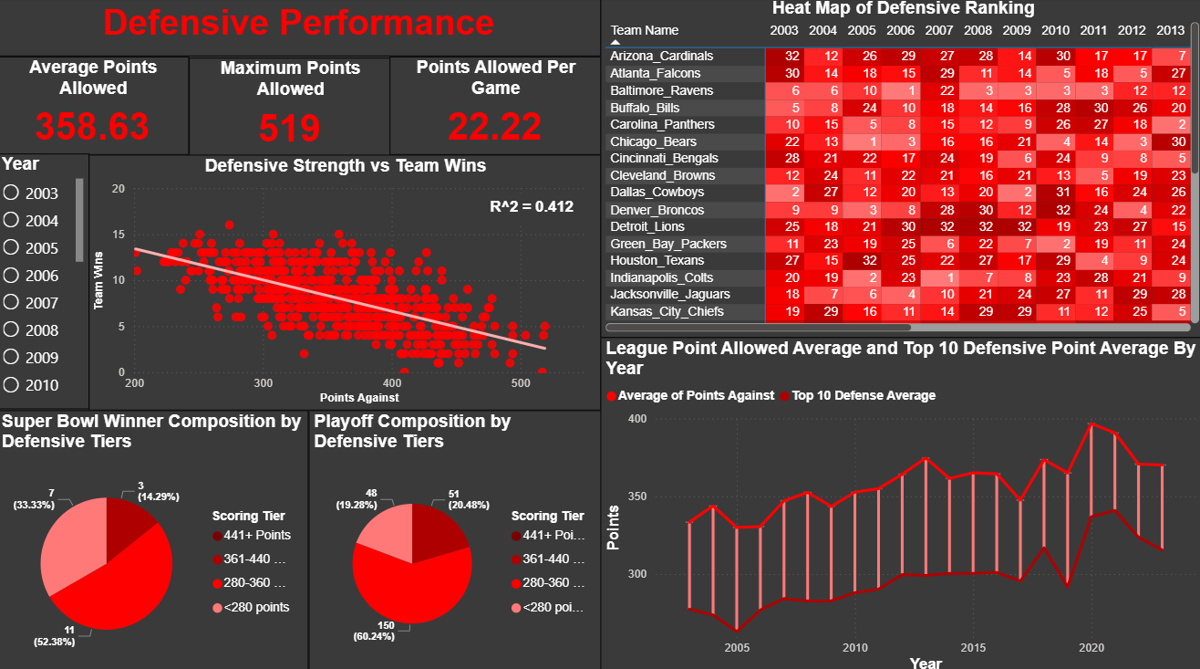
This project analyzed NFL Team Data from 2003 to 2023 to determine whether a stronger offense or stronger defense contributes more to team success. It was concluded that a balance of offense AND defense are crucial for success, rather than just one factor. While a bad offense can occasionally be offset with a good defense and vice versa, a balance of both produced the best results, meaning teams cannot heavily rely on just one aspect.
Logistic Regression: Consumer Purchase Prediction
This project uses a logistic regression model to predict whether a consumer will purchase a product based on Age and Estimated Salary as predictors. The model found that age is the stronger predictor — each additional year increases purchase odds by ~26.5%, while a $1,000 salary increase raises odds by only ~3.8%. A confusion matrix visualizes the model's predictions to assess classification accuracy.
Linear Regression: Forest Fire Area Prediction
This project builds four simple linear regression models to predict burned fire area using Temperature, Humidity, Wind, and Rain as individual predictors. Each model is visualized with a scatter plot and regression line, and assessed using R2, p-value, slope, and intercept. The results reveal which weather variable is the strongest predictor of fire spread — offering a real-world look at how environmental conditions relate to wildfire damage.
Machine Learning Model Comparison: Salary Prediction
Used Weka's Explorer and Experimenter to compare five machine learning algorithms — Linear Regression, IBk, Bagging, M5P Tree, and Random Forest — in predicting salary from attributes like gender, education level, job title, years of experience, and race. The analysis tested three dataset variations: original, normalized, and feature-selected. Random Forest consistently outperformed all models with the highest correlation coefficient (0.98) and lowest RMSE and MAE, while normalization had no meaningful impact and attribute selection actually hurt tree-based model performance.
Fuzzy Logic Tipping System: OR vs. AND Operator Comparison
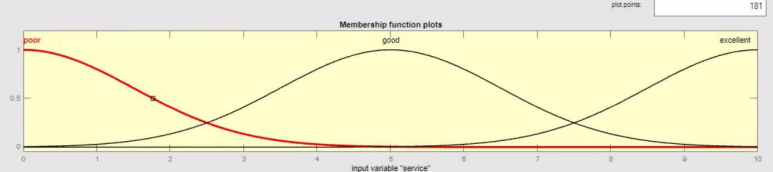
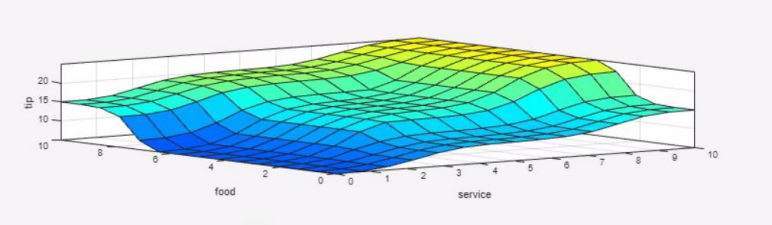
Built a fuzzy logic tipping system in MATLAB's Fuzzy Logic Toolbox using service and food quality as inputs to predict tip percentage. Tested eight service-food combinations across two rule configurations — OR-linked and AND-linked antecedents — and compared how each logical operator influenced rule firing and tip output. The OR version produced more varied and realistic tips by allowing one strong factor to compensate for a weak one, while the AND version flattened outputs toward 15% due to the min operator bottlenecking results.
Training Data Bias Demonstration: Image Classification
Used Google's Teachable Machine to train two image classifiers — one with a balanced dataset and one intentionally biased — to classify thumbs up vs. thumbs down gestures. The balanced model, trained on diverse angles, skin colors, and lighting, generalized well to unseen inputs. The biased model, trained on only one hand at one angle for thumbs down, consistently misclassified new inputs by learning the conditions rather than the gesture. The experiment demonstrated how unrepresentative training data produces overfit, biased models with real-world implications for facial and gesture recognition systems.
These artifacts demonstrate my ability to design efficient, scalable database systems and architect solutions that support organizational needs. By aligning database design with business requirements, I can build solutions that enhance data accessibility, support decision-making, and improve overall system efficiency.
Pets4Life Database Design
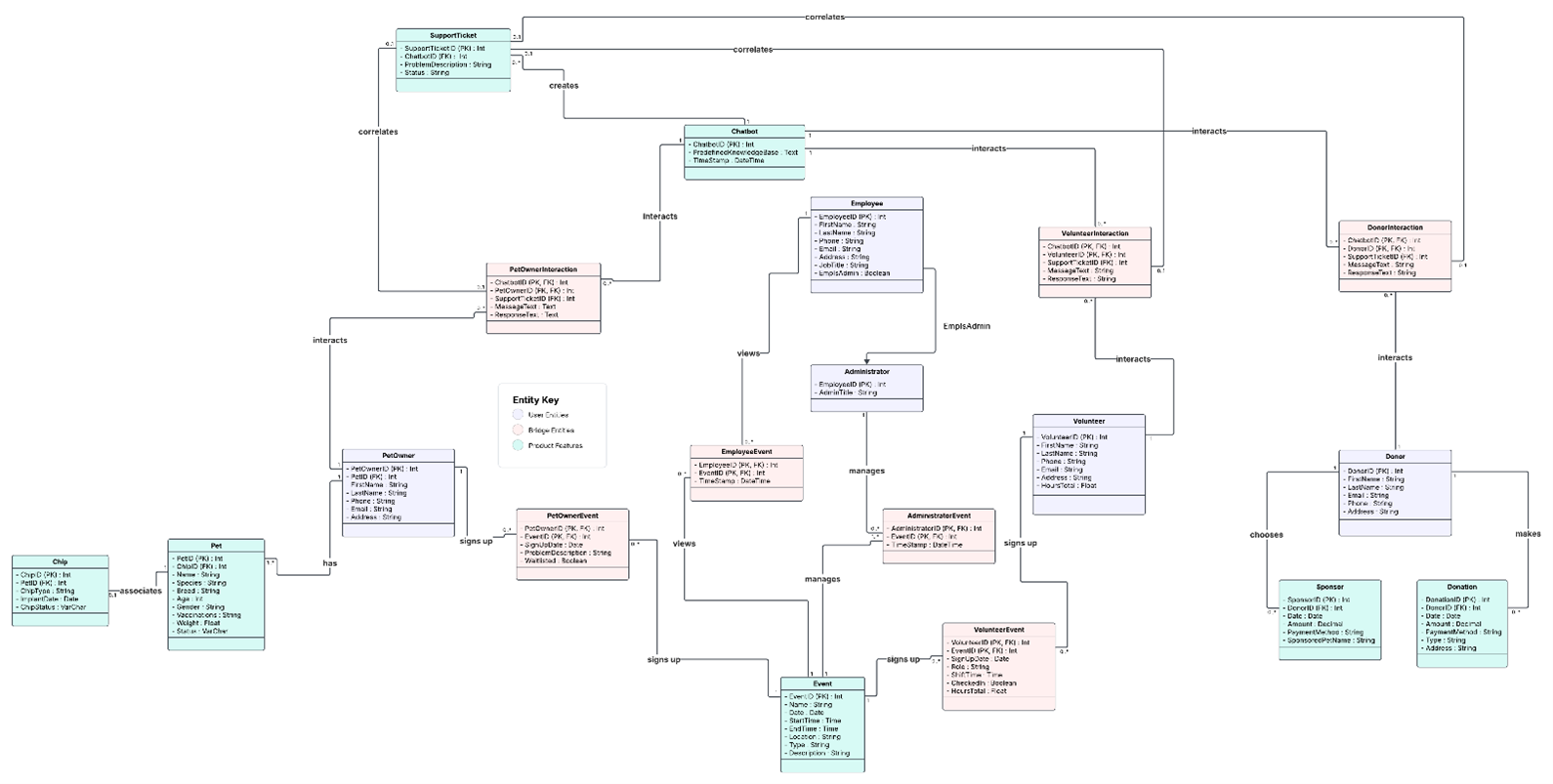
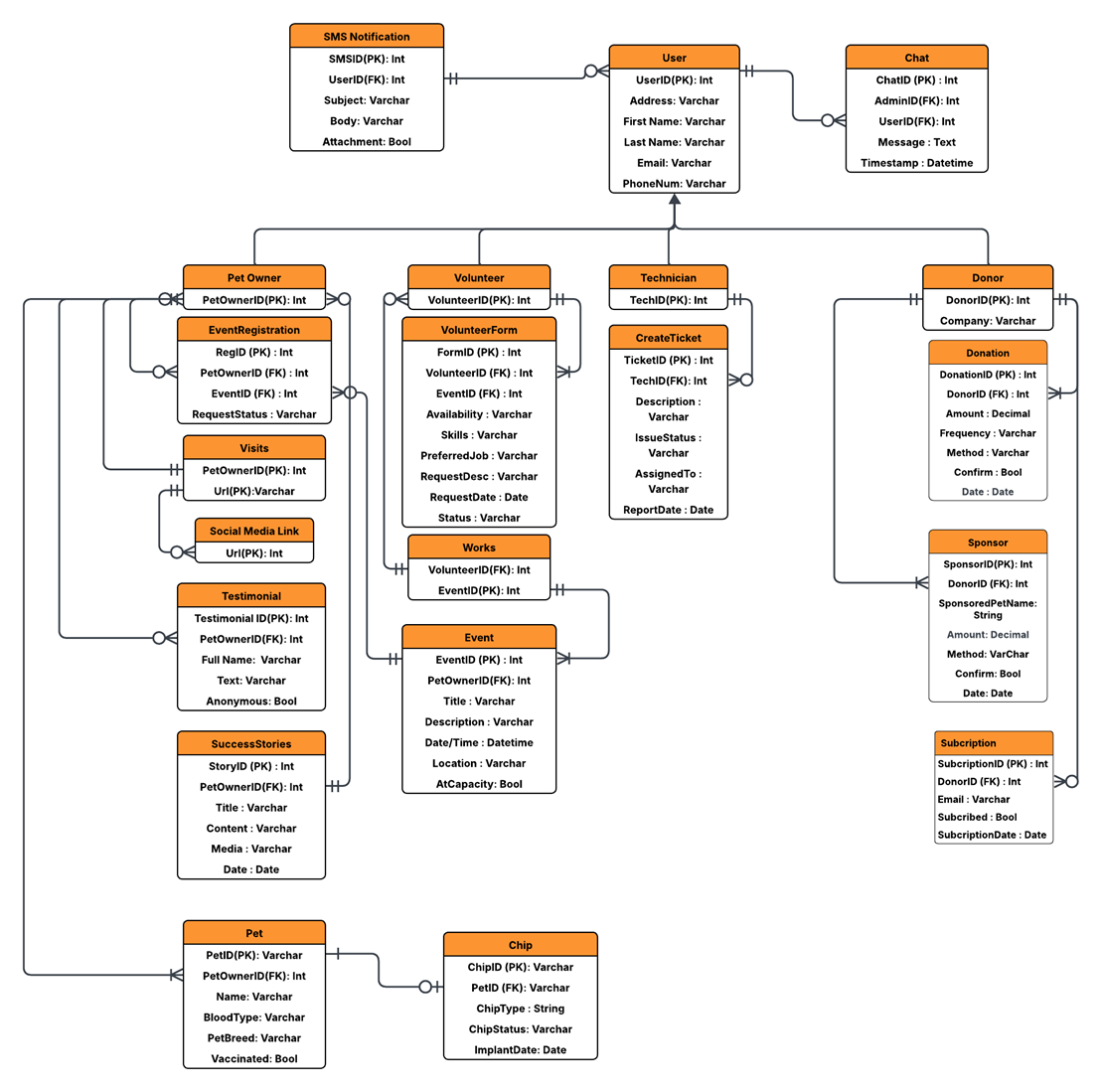
Created as part of the Pets4Life Systems Analysis and Website Development project, my team designed a relational database to address data fragmentation and streamline information flow across departments. The system centralizes donor records, volunteer tracking, event management, and financial data into a unified schema, replacing disconnected spreadsheets and siloed systems. The design improves reporting accuracy, reduces redundant data entry, and enables cross-functional visibility into organizational operations.
Tiny College: Crow's Foot Entity Relationship Diagram
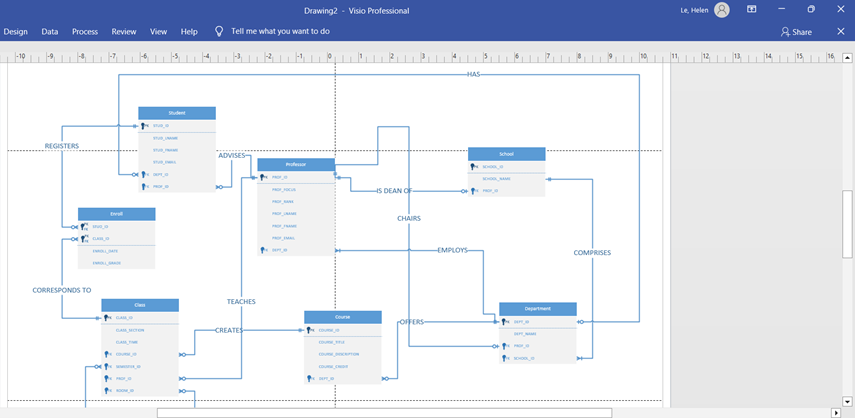
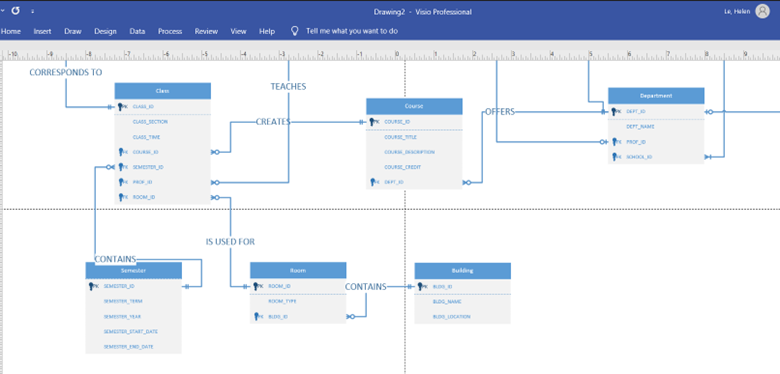
Constructed a full Crow's Foot Entity Relationship Diagram for the Tiny College database based on a set of business operations, identifying entities, attributes, primary/foreign keys, and relationship cardinalities. The model translates narrative business rules into a normalized relational schema ready for implementation.
SQL Business Question and Query Development
Developed business questions and matching queries to extracted insights from a relational database. Applied advanced SQL techniques including joins, subqueries, and aggregate functions to analyze data and support decision-making.